
15 Helpful Colombia Travel Tips to Know for First-Timers
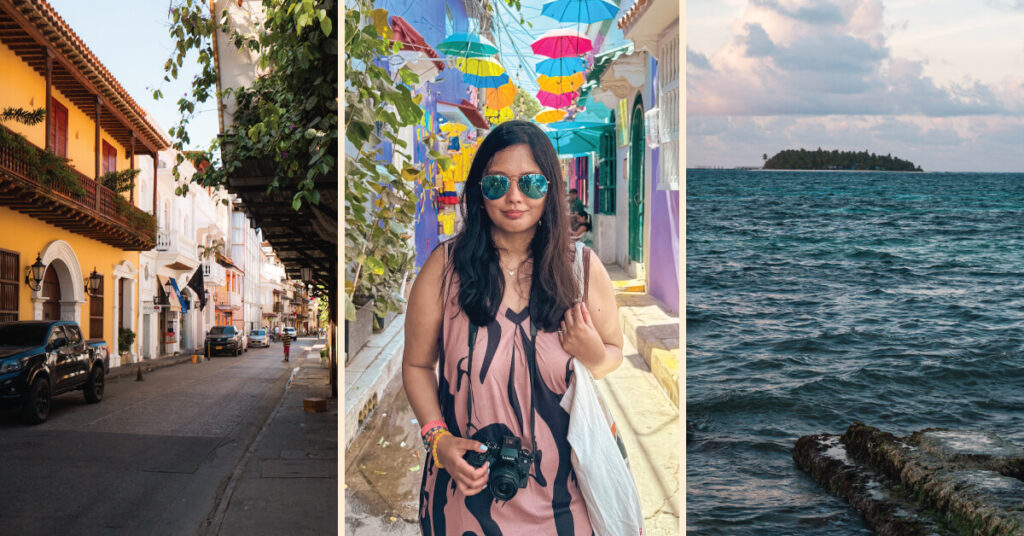
When I told everyone around me that my husband, Cecilio, and I were going to Colombia for eight days, I got a mix of reactions. Some people were perplexed, as it seemed like a random destination to visit. But we were mostly met with shock and concern for our safety. That included Cecilio’s best friend Carlos, who was born in Venezuela (Colombia’s next-door neighbor, geographically and culturally).
Colombia has had a reputation for ongoing cartel violence since the 90s. Since then, there has been significant improvement in security and investment in tourism, reshaping the country’s global reputation. As a result, international tourism to Colombia has increased by more than 300% since the early 2000s.
I’ve always wanted to go to South America, Colombia included. The opportunity to go to Cartagena came about because Cecilio and I were originally going to go to Australia for two weeks in January, and I had to cancel all of our flights a few days before we were supposed to leave because my sister was dying in the hospital. She passed away on the day we would’ve arrived in Brisbane.
So with our canceled flights, we were given a lot of flight credit. We have more trips we’re going on later in the year, and there was a sweet one-way flight to Cartagena that I just couldn’t pass up. My flight credit covered both of our tickets while having a bit left over for future trips.
I used my flight credit to go to Colombia and Tampa for my birthday cruise, while Cecilio used his flight credit (from what would’ve been our Sydney to Sacramento flight) to go to Europe.
I’ve learned a lot during our eight days in Cartagena and San Andrés. While both destinations reminded me of other places we’ve been to, there was a bit of culture shock. Nothing extremely crazy, but there are a few things to be more aware of.
If you’re planning your first trip to Colombia and are nervous about the safety and the culture shock, don’t be. Now, I’m not saying it’s anything like Scandinavia, but it’s still possible to keep your wits about you and have a fantastic time. Make sure to take in and save these Colombia travel tips for your upcoming trip there!
Disclaimer: This post uses affiliate links, which means I make a commission if you book through this post. If you do decide to book using my links, thank you so much for your support!
Top Colombia Travel Tips
1. For your sake, learn the phrase “no dar papaya”.
In Colombia, there is a phrase called “no dar papaya”, which essentially means to stay safe and not give other people papaya, a reason for people to take advantage of you. Do not make yourself a target for scamming, pickpocketing, or violence.
Most locals are lovely, warm, and hospitable. While Colombia is safer than it was decades ago, it’s still not the safest place to visit, and you can’t be in la-la-land when you’re walking around. It’s still classified as Level 3 (Reconsider Travel) according to the State Department Travel Advisory. Some areas are still classified as Level 4 (especially the areas bordering Venezuela and Ecuador).
I had my phone and camera out mostly because Cecilio was with me. I was more relaxed with him by my side, but I was still keeping an eye on my things. If I went alone, I would’ve been much more on guard than I already was. I also didn’t bring my camera out at night (also because it’s hard to do night photography).
I felt safer and more relaxed in Cartagena compared to other cities in Europe. But I still always kept an eye on my stuff and held it close to me.
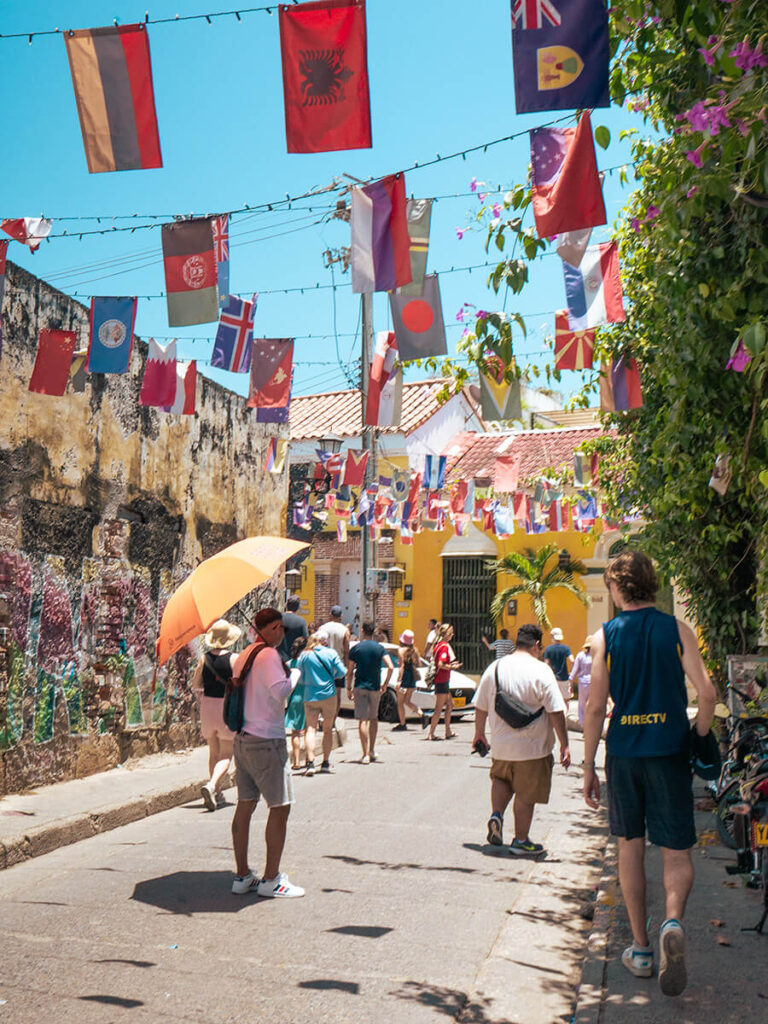
2. If you are traveling to the three main cities (Bogota, Cartagena, and Medellín), you need to pack according to the climates.
Most people who travel to Colombia visit one or more of the three main cities: Bogotá (the capital), Medellín, and Cartagena. A lot of people visit all three. Keep in mind that these three cities have completely different climates, and Colombia is one of the most biodiverse countries in the world. So you will need to pack different clothes, shoes, and accessories, and practice the art of layering your outfits.
Cartagena
Sitting along the Caribbean coast at sea level, Cartagena is HOT all year. Cecilio and I took showers three times a day, swam in the hotel pool every day, and spent the afternoon doing siesta in the hotel instead of exploring because of how suffocating it was.
Bring lots of shorts, dresses, and tank tops. Consider shopping for clothes with breathable material like cotton. And you absolutely need to wear a hat and sunglasses. Take a look at my summer packing list for hot weather essentials.
Also, bring swimwear if you plan to go to the Rosario Islands. Even if you don’t, you should still bring some, and you MUST book a hotel with a pool to beat the oppressive heat.
I love this dress during our stay in Colombia; it helped me stay cool, but it was still stylish! I felt like I was wearing resortwear on a budget.

Medellín
Known as the “City of Eternal Spring”, Medellín boasts comfortable temperatures year-round, averaging 70— 85°F, with cooler mornings and evenings, afternoon showers, and milder humidity than in Cartagena.
We had a layover in Medellín from San Andrés, and while it was slightly muggy, it paled in comparison to the heat and humidity we dealt with in Cartagena.
Medellín’s climate is most comparable to SoCal (especially San Diego). Its elevation of 4,905′ makes it slightly chillier.
I would recommend bringing t-shirts, shorts, pants, dresses, and a light raincoat if you plan to visit Medellín.
Bogotá
Bogotá (Colombia’s capital and largest city) sits on the Andes at 8,660 feet above sea level, making it the coldest of the country’s three major destinations. With temperatures ranging from 45°–68°F all year, Bogotá’s weather is most similar to San Francisco’s.
This means that you need to pack raincoats, long-sleeve shirts, cardigans, scarves, and boots.
3. Consider visiting and staying outside Bogotá, Medellín, and Cartagena, too.
Now, most people who visit Colombia will stay in Cartagena, Medellín, and/or Bogotá. But the country has so many more destinations than those three.
Colombia produces some of the most coffee in the world, so its coffee industry is also a part of its tourism industry. The Coffee Triangle (Eje Cafetero) is embedded with pure green mountains, hiking trails (with the most popular one being in Valle de Cocora), and coffee farms. Most people who visit Eje Cafetero stay in the town of Salento, the heart of the region, lined with colorful buildings.
In Eje Cafetero, you can hike, soak in hot springs, and visit coffee farms to learn how to make your own java. It’s a true bean-to-cup experience.
If you have no time to visit Eje Cafetero, you can take a day trip from Medellin to San Sebastian de Palmitas to visit a coffee farm.
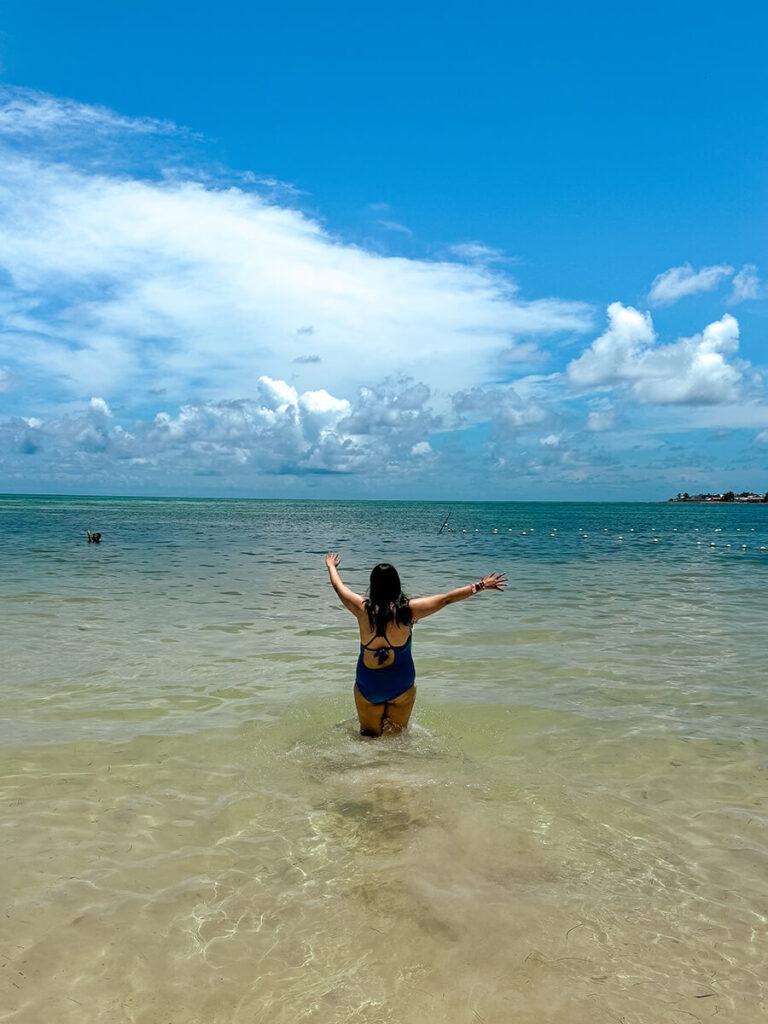
If turquoise waters and creamy white sand are calling your name, San Andrés is a hop and a skip away. San Andrés is a Caribbean island that’s part of Colombia, but is much closer geographically to Nicaragua. We stayed there for four nights, and it’s only an hour and a half away from Cartagena by flight (with the same humid, tropical climate). The beaches are calm and refreshing; nature’s pools, anyone?
4. English is not spoken as widely as in Mexico, so brush up on your Spanish.
After eight nights in Colombia between Cartagena and San Andrés, the language barrier was very much a struggle for me, even when I spoke basic phrases such as “buenos dias” or “quiero café frio con leche y azucar”. It was a struggle for Cecilio, and he went to a Spanish-immersion elementary school!
I think what stumped him especially was the follow-up questions, and while he knows Spanish better than I do, he’s not as comfortable speaking it fluently in conversation since he doesn’t speak it every day. I absolutely got stumped with the follow-up questions, and I always had that deer-in-the-headlights look.
It was more difficult to travel around Colombia because of the language barrier than in Mexico. Yes, Spanish is obviously the official language in Mexico. But since Mexico is right next to the US and ranks in the top 10 most visited countries in the world, English is more widely spoken (although we did speak as much Spanish as we did during our time in Playa del Carmen and Puerto Vallarta).
Now, I did encounter waiters, hotel staff, and baristas who did speak English, but they were much more hesitant to speak it than in Mexico.
Don’t take this as me complaining. I’m not, because I wish I knew more Spanish and other languages, especially since I DO want to travel around Latin America more!
5. You need to fill out Check Mig to enter and exit the country.
Check Mig is the digital immigration form that you need to sign to enter and exit Colombia.
Some people say that you can go through immigration without filling it out upon arrival, but I wouldn’t risk it. The last thing I would want is to be denied entry to any country.
Make sure you ONLY get it through Check Mig’s official government website that ends with gov.co, because it’s free and your form gets processed within minutes.
When you’re searching for “Colombia visa” (even though Check Mig isn’t a visa) or “Colombia immigration requirements”, the official website gets hidden between these third-party sites that offer you instant services for obtaining entry to any country. The problem is that these services come with a hefty fee.
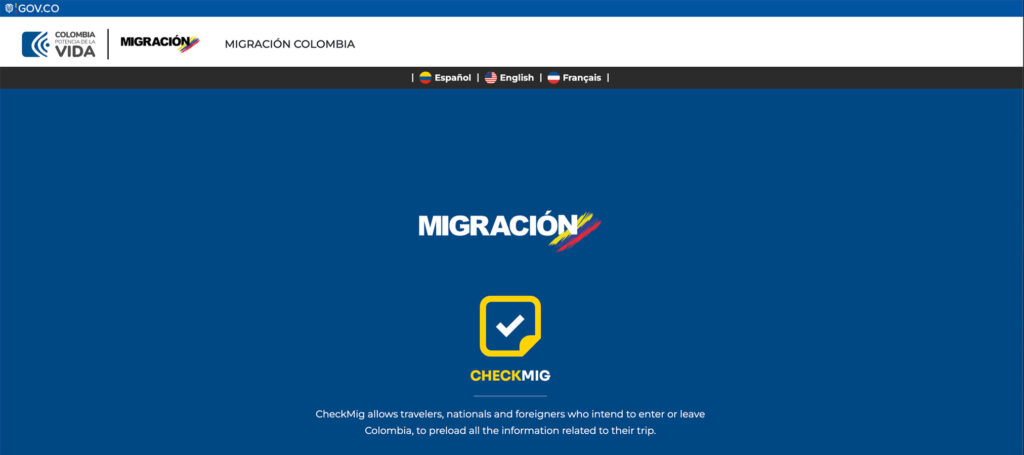
I fell for it during a state of panic when we were at the Atlanta airport for a layover, realizing I hadn’t filled out the form yet. I looked it up and came across iVisa, a website that promises guaranteed visa support in minutes. They charged based on how fast you needed service. Because I needed the Check Mig as fast as possible, I paid a lot more; roughly $258, to be exact.
It was only after I paid that I realized that I didn’t go through the official website, and I could’ve saved my money (and that it would’ve been quicker. So I emailed iVisa’s support, disputing and asking for a refund because they used misleading language and a false sense of urgency to upcharge their services.
When they refused, I filed a chargeback against them. My bank temporarily refunded me. iVisa ultimately won, but let that be a lesson for you when you are planning a trip to Colombia (or any country that requires a visa or immigration form): only book it through their government official website.
Also, iVisa put down that my hotel was in Bogota when I clearly wrote our Cartagena hotel upon filing the form. That made Cecilio and the immigration officer confused.
6. Uber is the best way to get around.
Ubers are the easiest, most affordable, and safest way to get around Colombia, especially from the airport. Most major cities have Uber drivers, especially the big three (Bogotá, Medellin, and Cartagena).
There have been some other blogs and threads that are claiming that Uber is illegal in Colombia. It’s not quite that simple; rideshare apps operate in a legal gray area as they haven’t been fully incorporated into the country’s transportation laws.
The only exception I would make is San Andrés. Because it’s a small island closer to Nicaragua than to Colombia, Ubers are not available. So you can call for a taxi or rent a buggy.
You can also arrange transportation (or rent a buggy) to and from the airport through aggregator sites like Booking, Expedia, Viator, and GetYourGuide. If you are a Booking Genius member or an Expedia One Key member, you can get discounts for transportation.
Renting a buggy is a fun way to get around San Andrés without relying on a taxi, but you do need your driver’s license to rent one.
7. Use your cards, but keep cash too (and withdraw it from an ATM)
During our time in Colombia, we mostly used cards. There are some times when you will need to use cash, like if you’re shopping in a smaller store or you want to buy street food.
You will also need them if you choose to tip street vendors, especially in Cartagena.
The San Andrés airport is extremely small, and they don’t have gift shops. Instead, there was a tiny wall full of merchandise that you could purchase and a cashier right next to it. They only accepted cash. It was a good thing Cecilio had some cash for me to purchase some souvenirs!
Avoid exchanging money at the airport as much as possible. Instead, find the nearest bank near you and withdraw as much cash as you need.
8. Do not throw anything (including toilet paper) in the toilet.
I know that most of us in the US are used to throwing toilet paper in the toilet and flushing it, but in Colombia, you are expected to throw it in the trash can. This is because many of the buildings have poor plumbing and sewer systems that can clog easily.
Medellin and Bogota have some newer buildings that might allow you to flush toilet paper, but it’s best to check for a sign in the restroom. There will be signs in Spanish and English, telling you to throw the toilet paper in the trash. Most establishments and buildings in Cartagena will have these signs in the restroom since the buildings are much older.
9. Don’t leave without eating arepas.
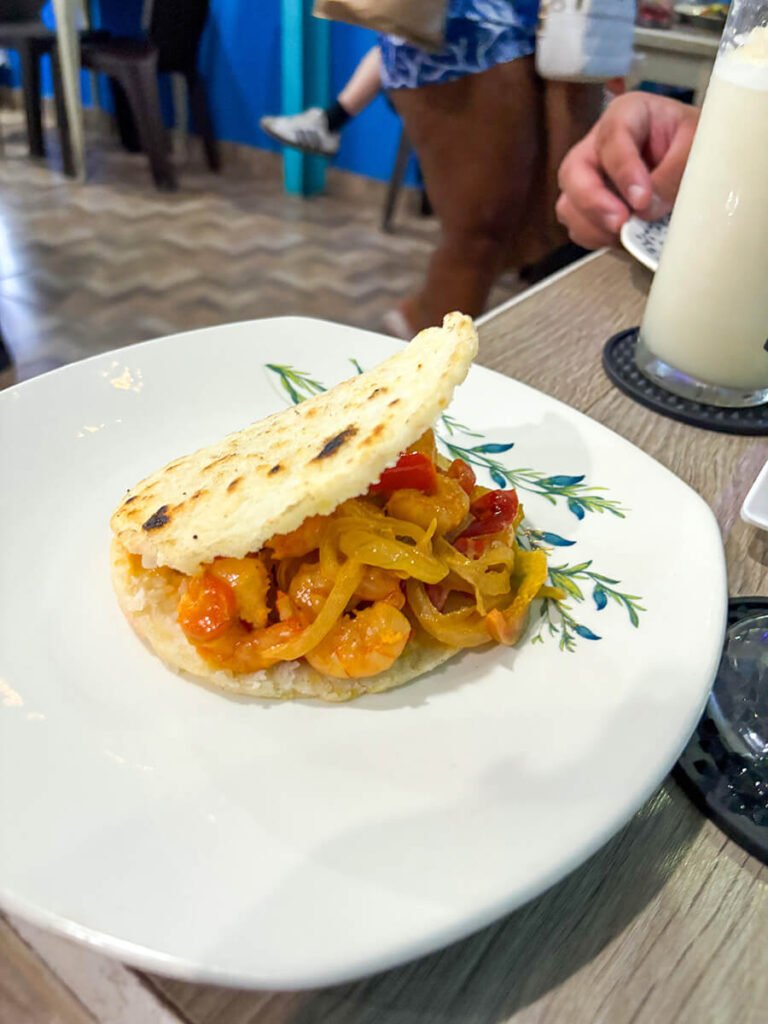
Arepas are one of the most, if not the most, well-known dishes in Colombia and Venezuela. It is a stuffed flatbread dish with the dough made of ground maize, giving it hints of sweetness. The filling usually has meat, cheese, and/or eggs.
They are extremely tasty, and you can find them in a street food stand, grocery store, or a sit-down restaurant.
I recommend eating at an arepera, a restaurant that specializes in serving varieties of arepas. Luckily, there was an arepera across the street from our hotel in Cartagena, Quero Arepa. They are open 24/7 and serve other things like appetizers and cocktails.
We ordered fried plantains to share and two arepas each, which we only should’ve ordered one each because they were HUGE! It was a struggle for me to finish them.
You can also go on a food tour to sample the best of Colombian cuisine, arepas included. If you’re looking to go on a food tour and try the arepas, here are my recommendations:
- Cartagena: Street Food Tour in Cartagena Walled City and Getsemani
- Medellín: Street Food Tour in Medellín with Tastings
- Bogotá: Food Tour in La Candelaria Bogotá
10. Stay in well-lit and safe neighborhoods.
In Cartagena, the best neighborhoods to stay in are The Walled City (Centro Historico), Getsemani, and Bocagrande. For Medellín, stick to El Poblado or Laureles. Heading to Bogotá? Stay in Chapinero, Zona T, or La Candelaria.
While Colombia has become much safer in recent years, there are still patches of crime present. It’s best to stay in well-lit areas where there are a lot of people (locals and tourists). If you walk down a dark alley and you don’t even see locals there, I would turn around. This is not a country where you can go off the beaten path.
This tip also ties with tip #1 earlier, to not give papaya (a reason to get taken advantage of) to questionable people.
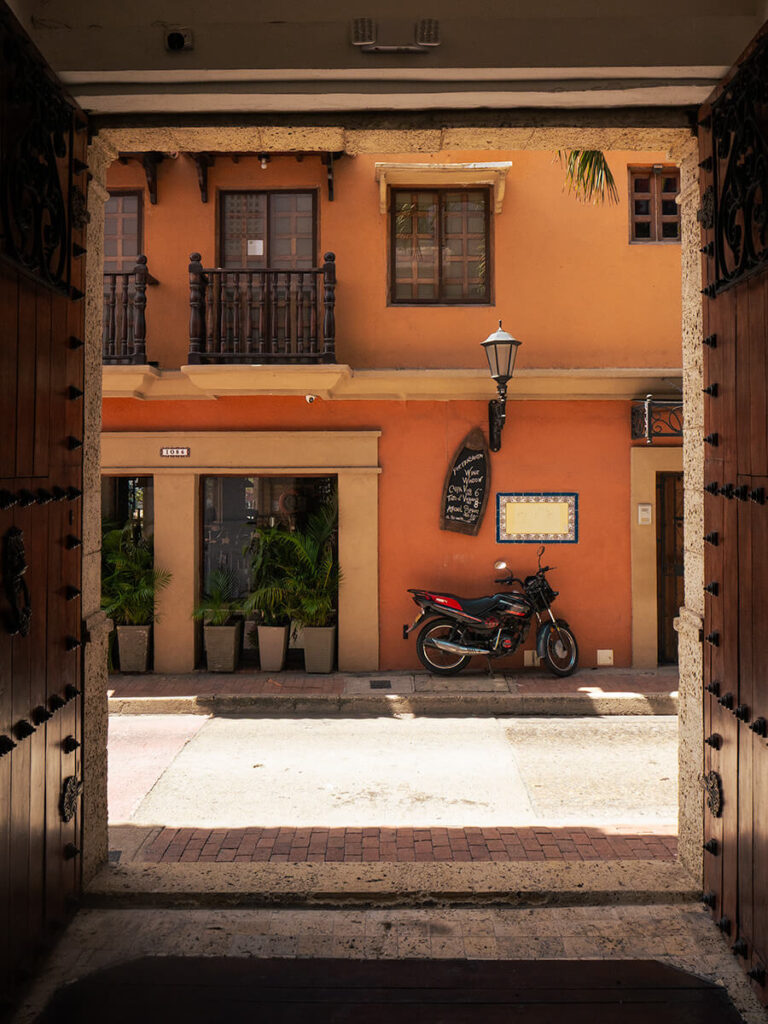
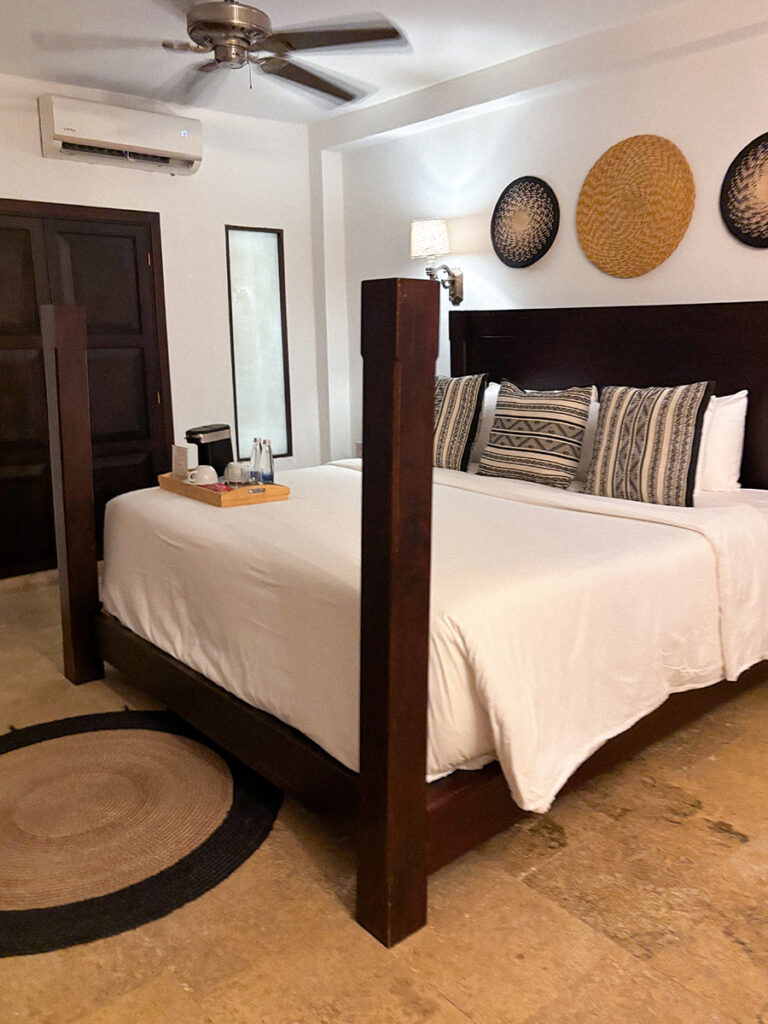
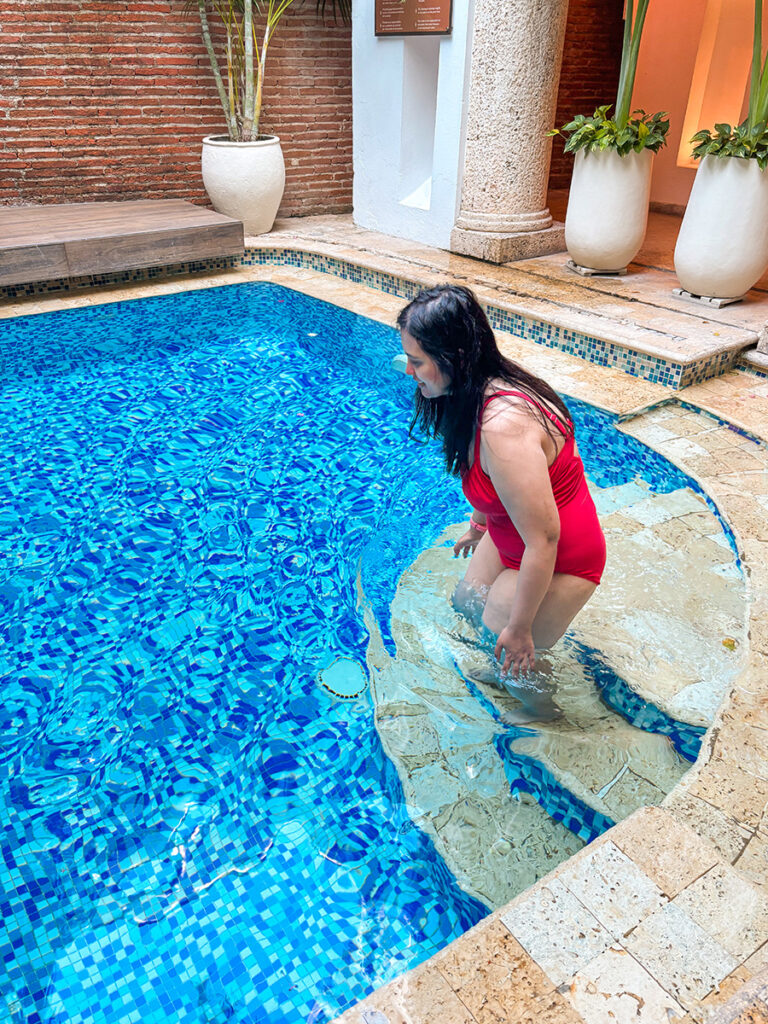
We stayed in Hotel Patio Corao, a cute boutique hotel in Centro. It was walkable, near a lot of great restaurants and cafes, and a 10-minute walking distance to Historico Centro and Getsemani. It was well-lit at night, and I never sensed danger. The staff were always available, even during nighttime. Sometimes we’d come back before midnight and the staff would still be awake to open the gate for us.
Also, the pool saved us from the heat. We swam there for three days straight to cool off and as a part of our siesta routine.
11. Expect to experience lots of panhandling in Cartagena.
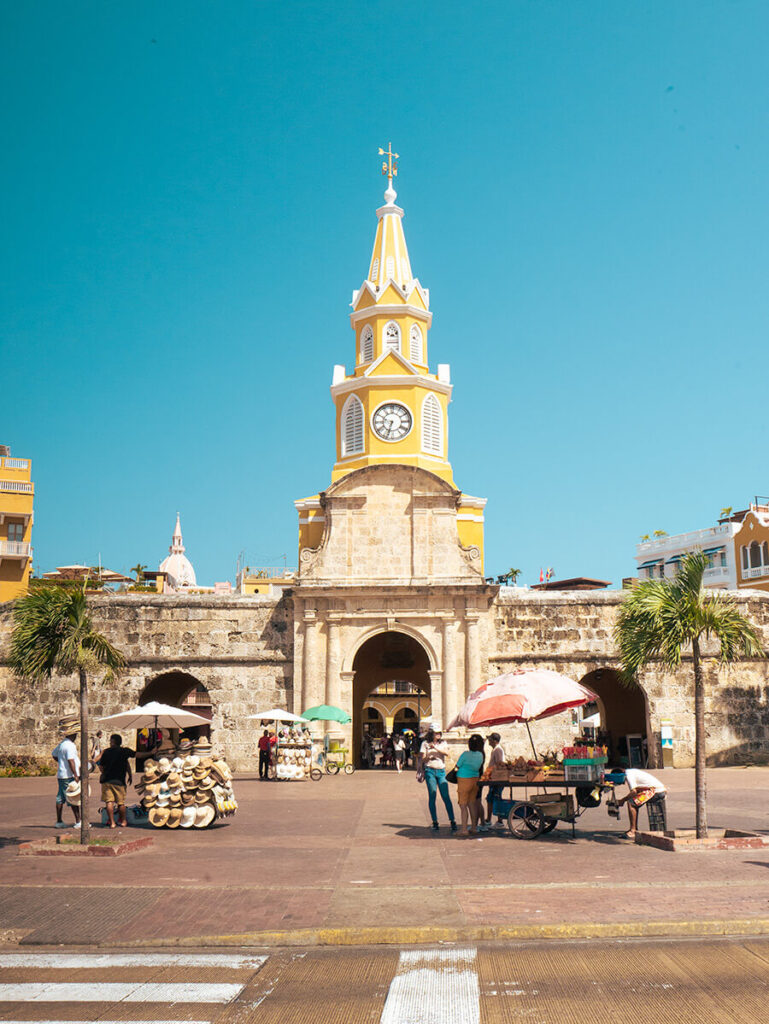
I’ve never experienced so much aggression from street vendors and performers until we went to Cartagena, and we thought the vendors walking up to us at the beach club in Puerto Vallarta were pushy!
From the moment we stepped out of the airport and stepped into our Uber, there was a man who helped us put our luggage in the car, and he wasn’t our driver. It was totally unexpected, and I thought he was going to ride with us. Right after we were settled in the car, he immediately asked for cash. Well, now I know he wasn’t doing it from the goodness of his heart!
Everywhere you turn, on every corner, you’ll have vendors walking up to you selling food, merchandise, tours to the Rosario Islands, etc. You can’t walk a few feet without encountering them in your face.
Those ladies walking around in brightly colored, flowy dresses and fruit on their heads? They are called palenqueras, hailing from the first free African town, Palenque (located three hours away from Cartagena). If you want to take photos with them, you have to tip them too.
You’ll also encounter a lot of street entertainers in Getsemani, like jugglers performing these crazy tricks, or rappers beatboxing and walking around with a radio.
I’m not mad about it because they’re trying to do what they can to survive, and Cartagena pulls in a lot of tourists from cruises. It was just a bit jarring to experience.
12. Take advantage of quick and affordable flights.
Flying within Colombia is generally quick and rarely has layovers.
From Cartagena, it’s only over an hour long to fly to San Andrés and Medellín. It’s about an hour and a half to fly to Bogotá. You can expect to spend under $100 for a one-way flight. Good luck finding that in the US or Canada!
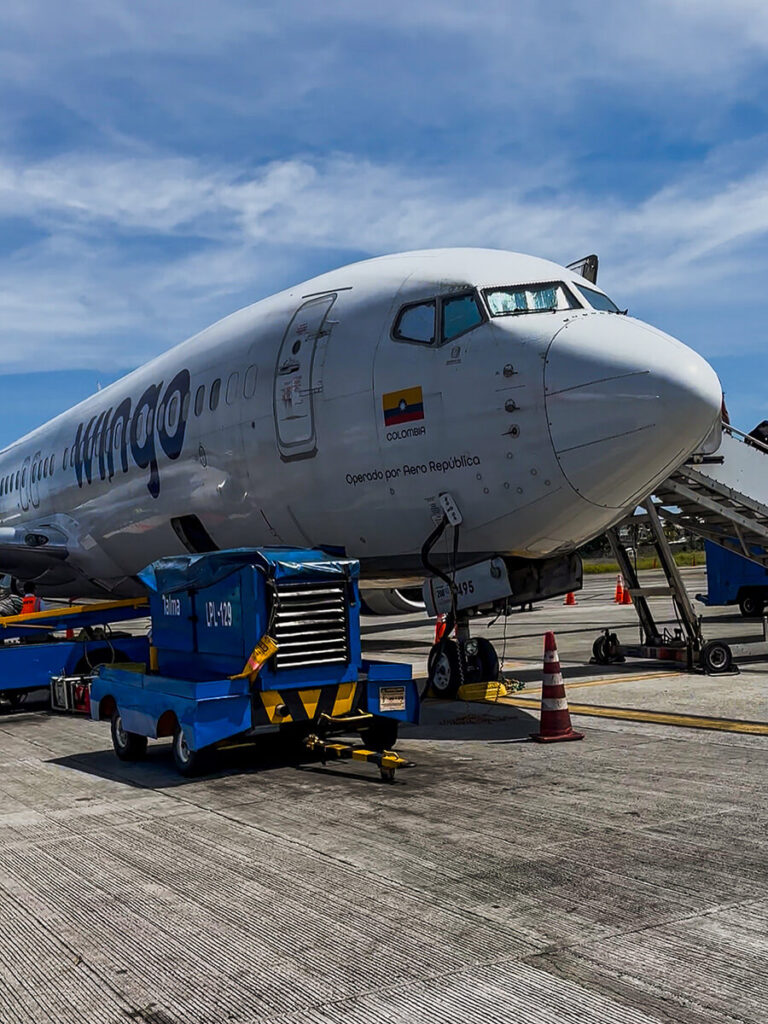
Cecilio and I flew on Wingo from Cartagena to San Andrés, a budget airline owned by Copa.
13. Bring some coffee home as souvenirs.
If you don’t visit the Coffee Triangle or go on a coffee tour, consider bringing home a bag of fresh beans for yourself or loved ones. Since Colombia produces some of the world’s best coffee, you can’t leave without buying some local beans!
You can find them at gift shops, convenience stores, or cafes. We went to Juan Valdez, a Colombian chain coffee shop, and bought bags of beans for our families.
14. For the dudes: don’t come looking for love (or flings).
While the majority of my readers are women, I need to emphasize this for the guys who come here (who aren’t my husband).
While Colombia is a popular destination for men to find dates and hook-ups, it’s a dangerous idea to do so. You’re playing with your life.
These men traveling for “love” are called passport bros, and Colombia isn’t the only destination they travel. You’ll also find them in Thailand, the Philippines, and other developing countries.
While Cecilio and I were in Cartagena, we noticed big groups of men roaming the streets of Getsemani and Centro Historico on their guys’ trips. We’ve never seen groups of men on every corner during our trips, and we knew they were there for one thing.
When these guys go out on dates with the local women, they either get drugged, scammed, or killed (at worst). This article, written by a woman whose fiancé is Colombian, talks about the sleazy passport culture in the country and how men traveling there are literally dying for love.
I remember the news a few years ago when 27-year-old Paul Nguyen, a SoCal resident, got drugged and killed in Medellín (which is the passport bro hub) after meeting a girl he was talking to on Tinder for a while.
There are plenty of women to talk to and date near your home; just don’t risk your life.
15. Be careful with casually bringing up Pablo Escobar.
While Medellin has Pablo Escobar tours (and a museum dedicated to him), you want to tread very carefully when bringing him up. In fact, don’t bring him up in a conversation with locals.
Most people are familiar with Pablo Escobar from the Netflix show, Narcos. But he wasn’t a fictional character; he was the founder and leader of the Medellin Cartel, which was responsible for kidnappings, murders, and other acts of violence in Colombia in the 1980s and 1990s, which gave the nation an unfair reputation for being dangerous.
He was also responsible for smuggling cocaine through other parts of South America and into the US.
For most locals, hearing his name brings traumatic memories of violence and terrorism. Colombia is so much more than its dark past; it’s a nation full of warm people, delicious food, beautiful landscapes, and rich culture. Unfortunately, locals are the victims.
It’s not wrong to discuss him, especially when locals bring it up first. Some of the local guides will talk about him first, and it’s okay to ask questions and have a desire to learn. But what’s not okay is casually talking about him, or making jokes about him or cocaine.
Let’s plan your trip to Colombia!
While you need to be more careful about your surroundings in Colombia compared to other destinations, you can still have a wonderful time immersing yourself in the culture, eating amazing food, drinking the best of the best coffee, experiencing the biodiverse nature, and meeting the kind locals.
Just make sure not to give “papaya” to those seeking trouble and their next target. Use your common sense.
If you still need guidance planning your first trip to Colombia, feel free to check out my Custom Travel Planning Services, whether you need a hotel booked, a list of hotel recommendations, or a fully tailored itinerary.
Did you find this post helpful? Share it on Pinterest!

Hannah is a travel writer, graphic designer, and the founder/editor of Hannah on Horizon. She is based in Sacramento, California, living with her husband and two adorable dogs. She shares tips on how to experience luxury travel on any budget, and how to maximize time at each trip or destination, no matter what your budget or amount of vacation time at work. She enjoys making you feel like you have visited each destination with her through her storytelling and informative writing style.